
Enterprise transformation only works when people can adopt it.
I work at the intersection of behavioral science, business strategy, and applied innovation, helping enterprises turn AI, data, and automation into capabilities that people trust, use, and measure against real business outcomes.
Executive lens
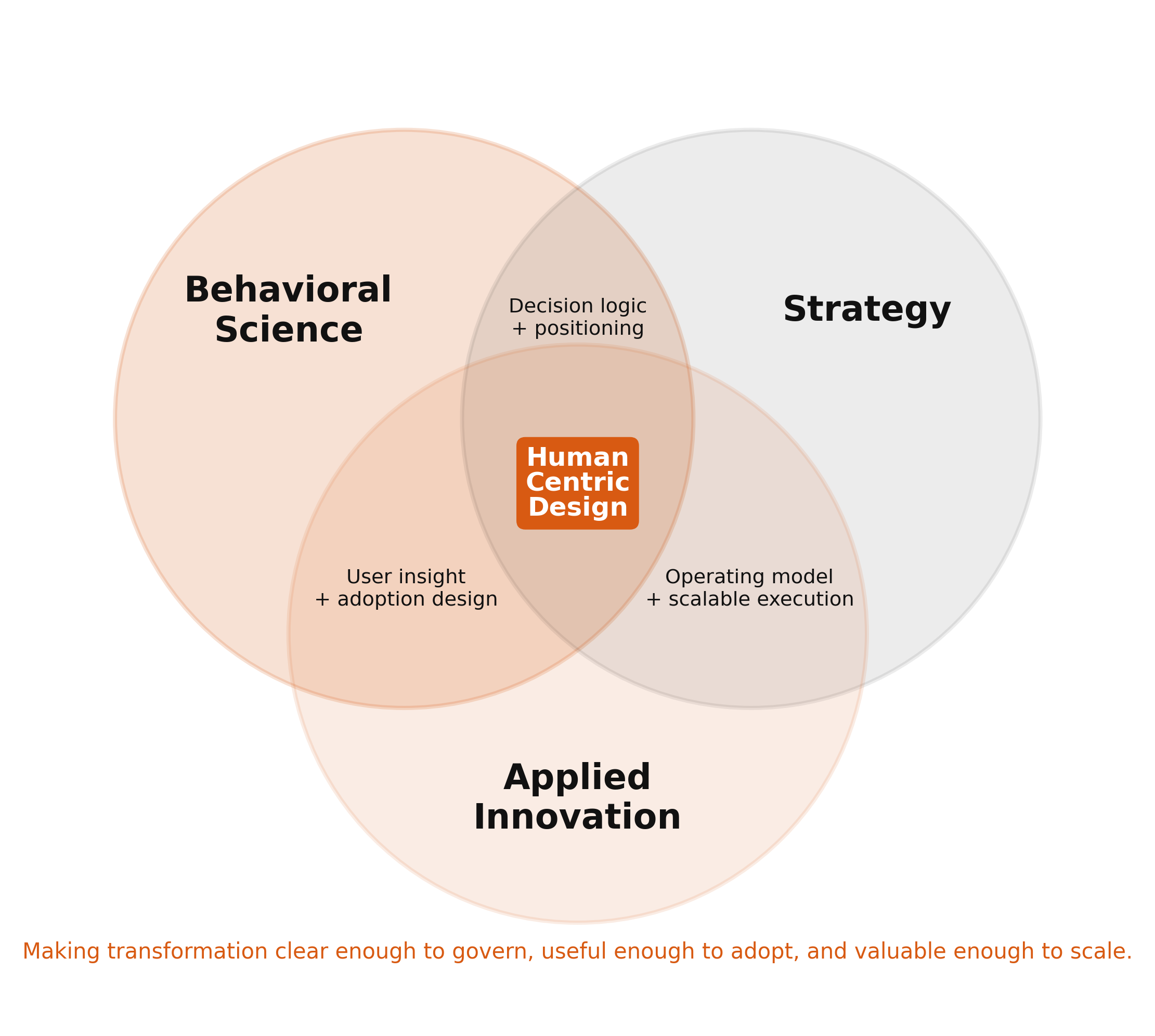
Human Centric Design sits where behavioral science, strategy, and applied innovation converge.
The next wave of transformation is not about adding more technology. It is about making change clear enough to govern, useful enough to adopt, and valuable enough to scale.
Focus
Product Strategy, AI and Intelligent Automation, CX and EX Transformation. Data and Analytics as a Product
Context
Financial Services, Travel, Transportation, REIT, Enterprise Software
Leadership
Strategy, Governance, Productization, Adoption, Value Realization
Executive Perspective
What human-centered leadership asks of modern transformation.
Human side of AI
AI only becomes strategic when people trust the decisions it changes.
Governance, transparency, workflow design, and adoption are not supporting activities. They are the conditions that determine whether AI creates durable enterprise value.
PRODUCT DISCIPLINE
Transformation scales when capabilities become products.
Repeatable operating models, clear ownership, reusable data products, and measurable outcomes help move teams from one-off initiatives to enterprise capability.
EXPERIENCE-LED CHANGE
Customer and employee experience are two sides of the same transformation.
The customer promise is only as strong as the employee workflows, systems, and decisions that support it.
Leadership Philosophy
The work begins where strategy and applied innovation meets human behavior.
Across enterprise transformation, the hardest question is rarely whether a technology can work. The harder question is whether people will understand it, trust it, and change the way they make decisions because of it.
My career has focused on that intersection. I have led product strategy, business architecture, analytics, intelligent automation, consulting productization, and customer and employee experience programs in environments where clarity, governance, and adoption matter as much as the solution itself.
Human Centric Design is the leadership philosophy behind that work. But over time, I realized it needed a clearer intellectual foundation, not just a set of practices, but a precise understanding of where the real work lives.
What I have come to understand, across two decades of this work, is that lasting enterprise transformation lives at the intersection of three disciplines: behavioral science, which explains how people actually decide and change; business strategy, which determines what is worth building; and applied innovation — AI, automation, data — which makes it possible at scale. Human Centric Design is not a methodology. It is a point of view on where those three disciplines meet, and what becomes possible when you lead from that place.
Leadership Approach
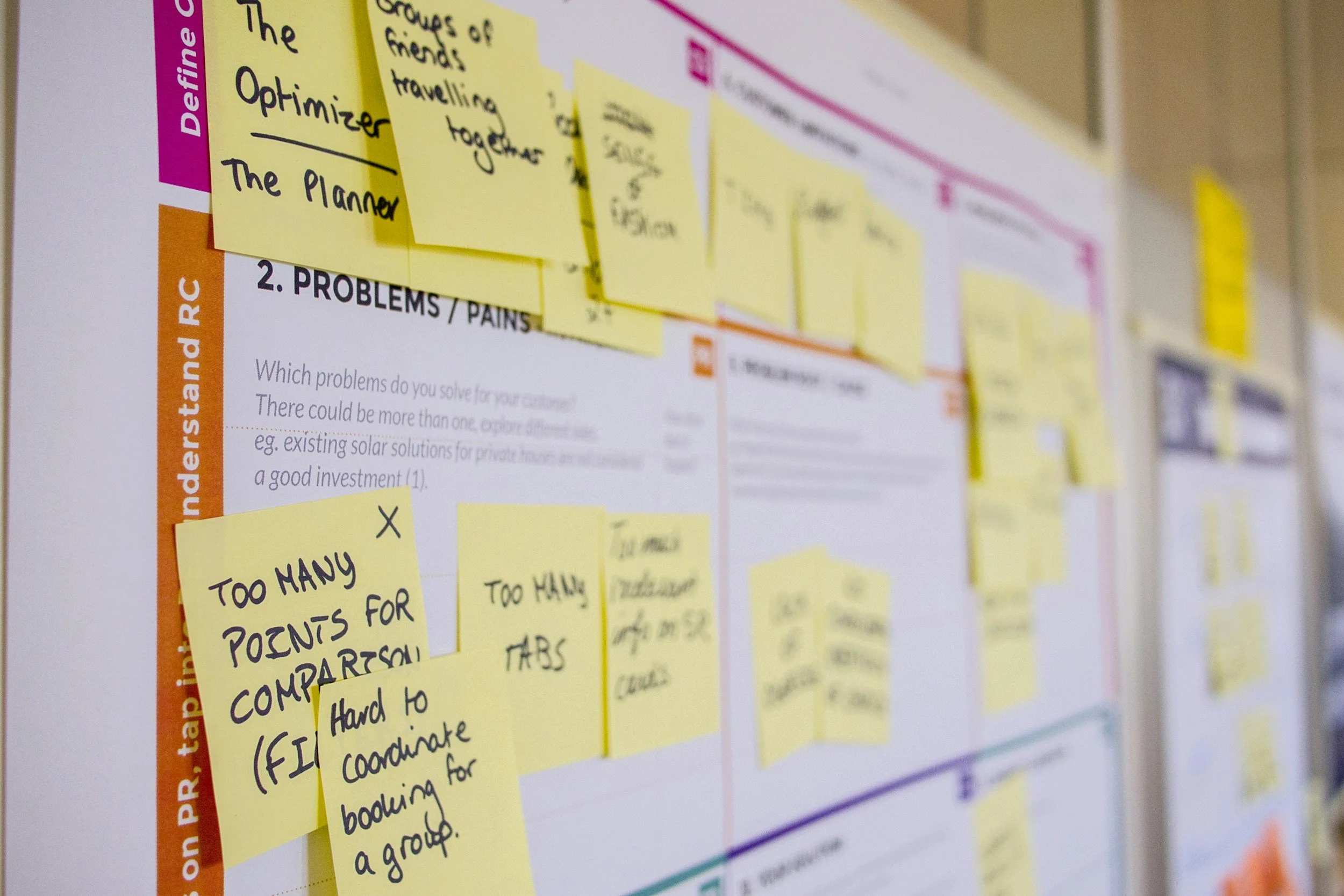
A practical operating model for transformation people can use.
01
Frame the change
Clarify the business ambition, human needs, decision barriers, regulatory constraints, and success metrics before teams commit to a roadmap.
02
Productize Capability
Package AI, analytics, automation, and consulting expertise into reusable products, operating models, and delivery patterns that can scale.
03
Scale Adoption
Connect governance, change management, customer and employee experience, and value realization so the work becomes part of how the enterprise operates.
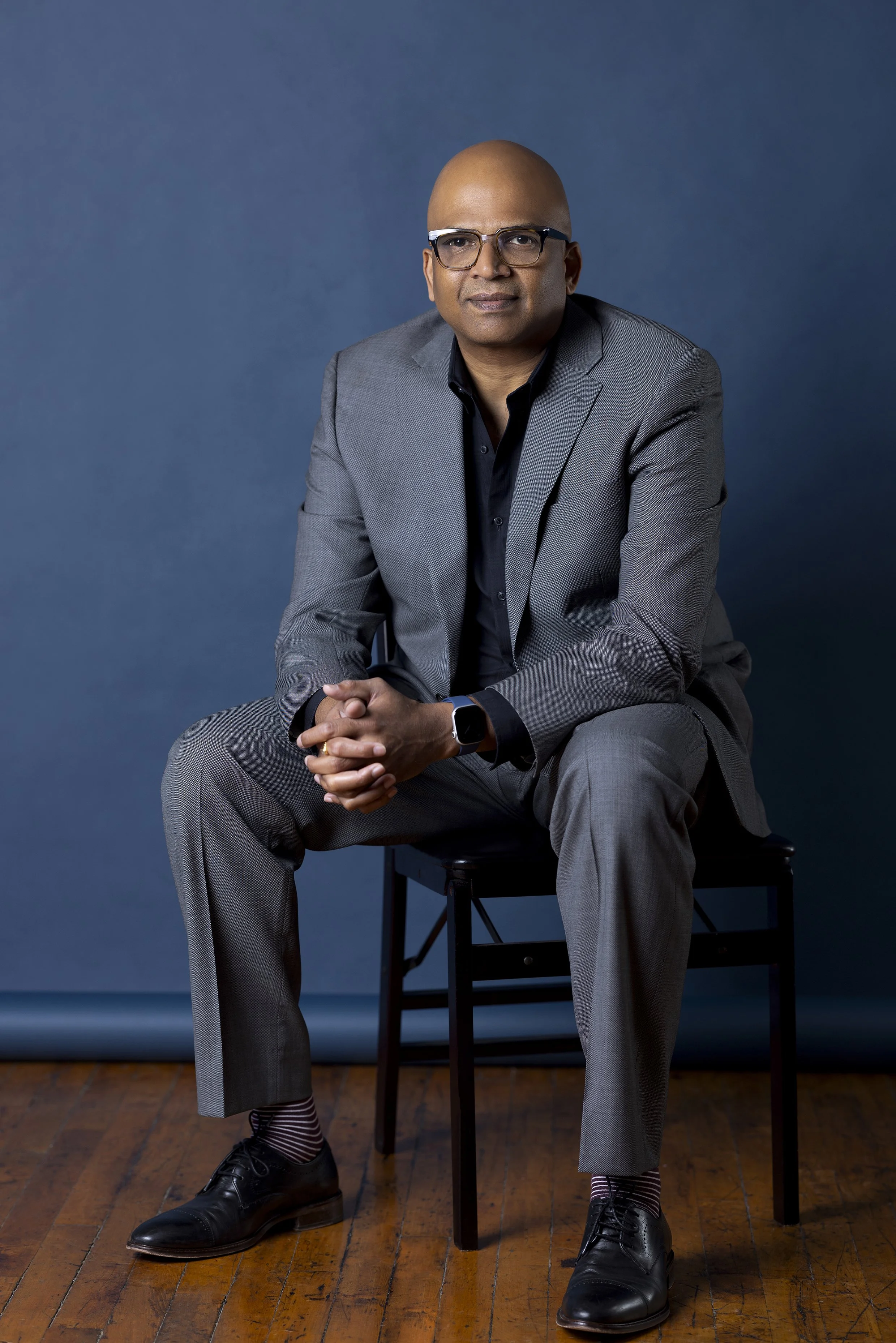
About Sundar Chari
A human-centered executive for the enterprise.
I bring 20+ years of experience across financial services, travel, technology, and enterprise software, with a focus on creating comprehensive executive strategies that make enterprise AI adoption stick.
I combine product thinking, operational mechanics, governance best practices, and clear, empathetic communication to turn strategy into measurable outcomes.
My work connects executives, product teams, data leaders, technologists, operations, sales, and customer-facing teams around a shared operating model. The goal is not simply to launch a tool. The goal is to make a new way of working useful, trusted, and repeatable.